


The new Opus model highlights a trend toward handling longer, more complex work without performance dropping off over time, especially for coding and technical tasks.
The new model is designed for AI-curious professionals, developers, and management teams who need a model that can handle large volumes of data and support advanced coding.
What Anthropic Announced
Anthropic announced that Claude Opus 4.6 is now available as the newest version of its flagship Opus model, highlighting the new model’s overall improved performance in complicated coding and managerial environments.
Here’s are the major points of the Opus 4.6 reveal:
- Immediate availability via Claude.AI and the Anthropic API.
- Support across major platforms, including AWS Bedrock, Google Vertex AI, and Microsoft Azure.
- Notable improvements in long-task reasoning, coding workflows, and agent-style execution.
Why The Claude Opus 4.6 Release Matters
With Anthropic launching Claude Opus 4.6, professionals and businesses can immediately see the effects of how usable AI is in everyday work.
For example, developers and companies can take advantage of the model’s new characteristics in different ways.
For developers:
- More reliable coding workflows that don’t break down mid-task
- Better handling of large, multi-file projects without repeatedly re-prompting
- Improved planning and debugging during longer sessions
For businesses/companies:
- AI agents with more stability that can run longer without supervision
- Stronger execution on multistep tasks that last for hours or days
- Lower risk of errors or hallucinations
Overall, Opus 4.6 is designed for teams and professionals who need AI to perform consistently in daily use rather than for quick experiments.
Claude Opus 4.6 Coding Improvements That Developers Will Notice
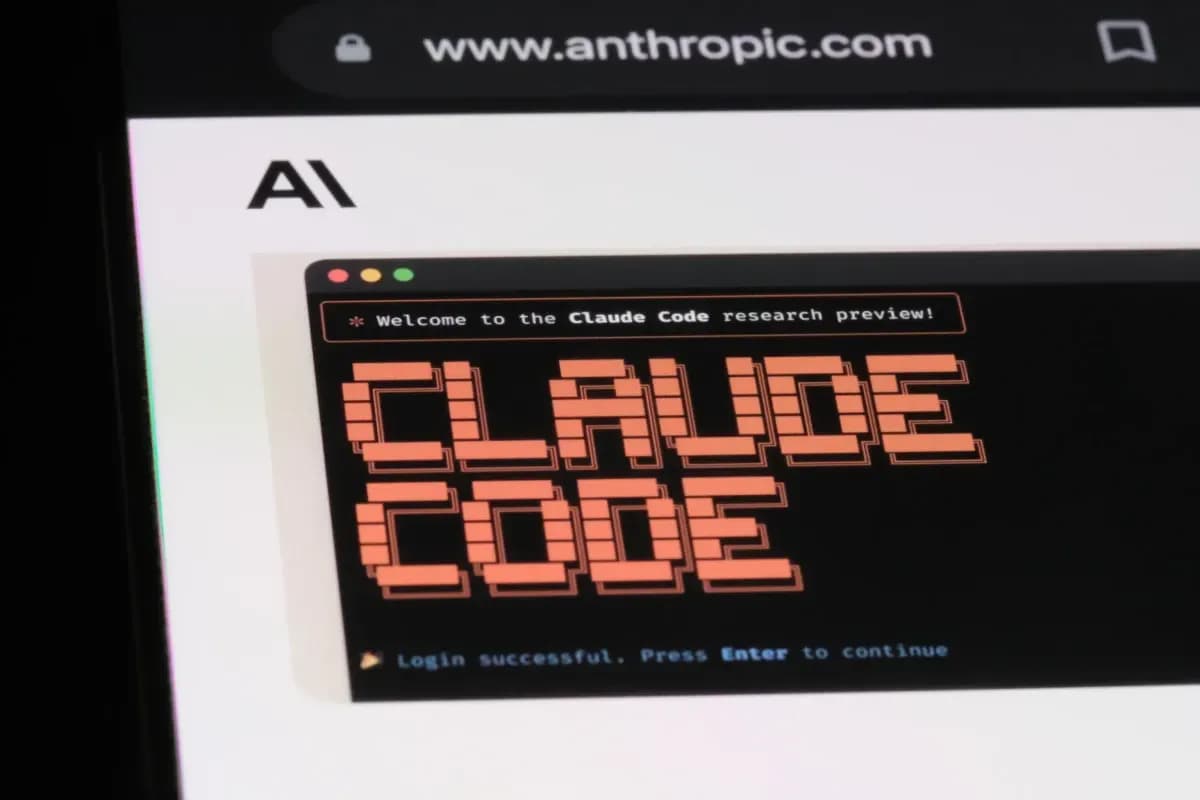
According to Anthropic, Claude Opus 4.6 improves the model's handling of real-world codebases, not just isolated snippets.
If you are a developer, you will notice stronger reasoning and better planning across multiple files and a greater understanding of dependencies and structure when working on larger projects.
Also, refactoring and debugging will be more consistent on Opus 4.6 with outputs that follow more straightforward logic and formatting rather than incomplete suggestions.
Agentic Workflows and Reliability on Opus 4.6
In simple terms, “agentic” means the model can perform multistep tasks on its own instead of waiting for constant instructions.
Claude Opus 4.6 is designed to stay focused across these longer workflows, which can break work into subtasks and make adjustments as it goes.
This makes Opus 4.6 reliable, and reliability is key in production environments. Having AI systems that finish tasks correctly will be key to making sure the model avoids getting stuck and remains predictable over time.
First Impressions of the New Version of Opus
Early feedback from developers and platform partners highlights several clear themes regarding Claude Opus 4.6.
In general, the reactions show that Opus 4.6 offers:
- More reliable performance in long-running and multistep tasks
- Stronger planning and structure in coding workflows
- Fewer errors during extended sessions
Some reactions from platform partners, highlighted by Anthropic, include:
Mario Rodriguez, CPO of GitHub:
“Early testing shows Claude Opus 4.6 delivering on the complex, multistep coding work developers face every day, especially agentic workflows that demand planning and tool calling. This starts unlocking long-horizon tasks at the frontier.” (Anthropic, 2026)
Michele Catasta, President of Replit:
“Claude Opus 4.6 is a huge leap for agentic planning. It breaks complex tasks into independent subtasks, runs tools and subagents in parallel, and identifies blockers with real precision.” (Anthropic, 2026)
Availability and Product Access
Claude Opus 4.6 is available immediately through different platforms for both individuals and organizations.
Developers can use the model via the Anthropic API. Also, non-technical users can access it directly through the Claude web interface.
As a flagship model, pricing is set above that of lighter variants. Full pricing details are available in our Claude Opus 4.6 model guide.
Opus 4.6 is also built into Claude Code for developer workflows and is supported across major cloud platforms, including AWS Bedrock, Google Vertex AI, and Microsoft Azure.
What This Means for the AI Landscape
The release of Claude Opus 4.6 signals a change in Anthropic’s strategy from “smarter responses” to models that can hold up during long, structured work.
On a larger scale, Opus 4.6’s release means that:
- Anthropic is shifting toward long-horizon agent reliability
- Anthropic has more ability to directly compete with OpenAI models and agent-focused direction.
- The company is going for a more company-first approach.
FAQs about Claude Opus 4.6
Claude Opus 4.6 is Anthropic’s newest flagship AI model built for long-running coding and structured reasoning.
It’s meant to stay reliable over extended workflows, handle large inputs more effectively, and support corporate use cases where reliability and accuracy matter more than quick, chat-style answers.
References
- Anthropic. (2026, February 5). Introducing Claude Opus 4.6. Anthropic.com. Retrieved February 6, 2026, from https://www.anthropic.com/news/claude-opus-4-6